Seconds to Make, Seconds to Forget: Why Simple Design Still Wins in the Age of AI
AI can generate a poster in seconds, and that's exactly the problem. When every output shares the same patterns, the simple, intentional design is the one people remember.
 Ken Aldrey Quanico
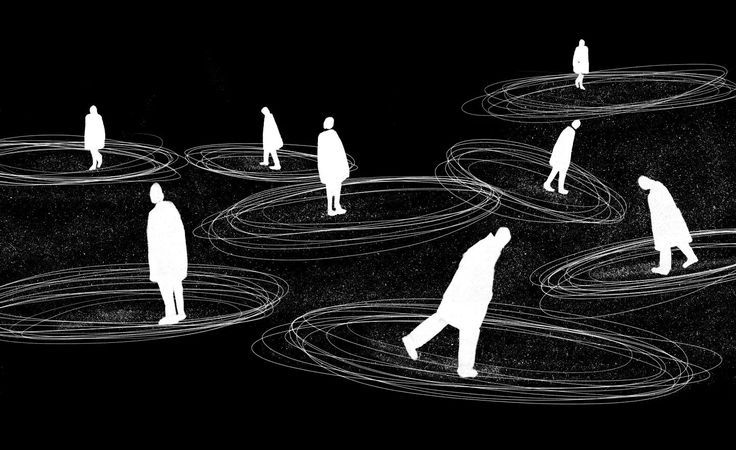
AI can now design a poster in a few seconds.
Type a prompt, get ten layouts before your coffee cools. Logos, flyers, social posts, brand boards — all of it, on demand.
And yet most people aren't impressed.
Fast Made Everything Look the Same
Scroll through AI-generated posters and you'll start noticing it. The same centered headline. The same glowing gradients. The same overloaded layout with a shape in every corner.
It's not a bug. Models learn from what already exists, so they drift toward the average of it. Ask for a poster and you get the most poster-like poster possible.
When everything is generated from the same patterns, nothing stands out. It takes seconds to make, and seconds to forget.
Complexity Used to Mean Effort
A dense, detailed design once signaled that someone spent real time on it. That signal is gone. Complexity is now the cheapest thing a machine can produce.
When effort is free, effort stops impressing anyone. What people notice instead is restraint.
Simple Design Is a Decision
Simple doesn't mean empty. A clean poster with one typeface, one color, and one clear idea is the result of dozens of choices about what to leave out.
You read it in three seconds. You remember it an hour later. That's the entire job of a poster.
Simplicity also feels human. It shows a point of view, and a point of view is exactly what an average of everything can't have.
My Take
AI is great at producing options. It's not great at deciding which one deserves to exist.
Taste is that decision. It's knowing what to remove until only the idea is left.
AI can make a design in seconds. Only a person with taste can make one worth remembering.